Located on the southwestern coast of Cyprus, Paphos is a treasure trove of history, culture, and natural beauty, a city that has been a hub of civilization for over 4,000 years. This ancient city has been a melting pot of cultures, with a rich history that spans from the Mycenaean era to the Roman Empire, leaving behind a legacy of architectural wonders, vibrant cultural traditions, and breathtaking landscapes. As we delve into the heart of Paphos, we’ll uncover its secrets, explore its hidden gems, and experience the warmth of Cypriot hospitality.
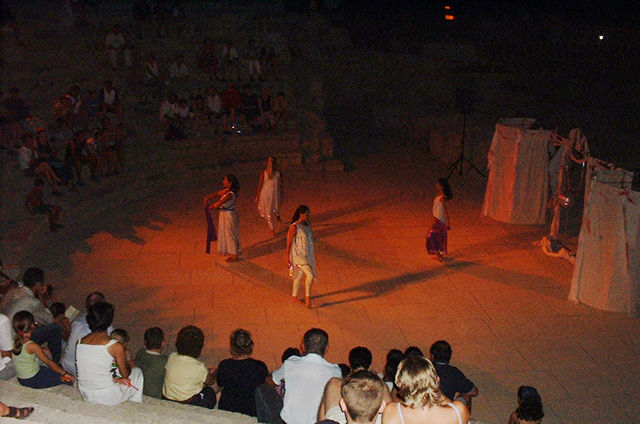
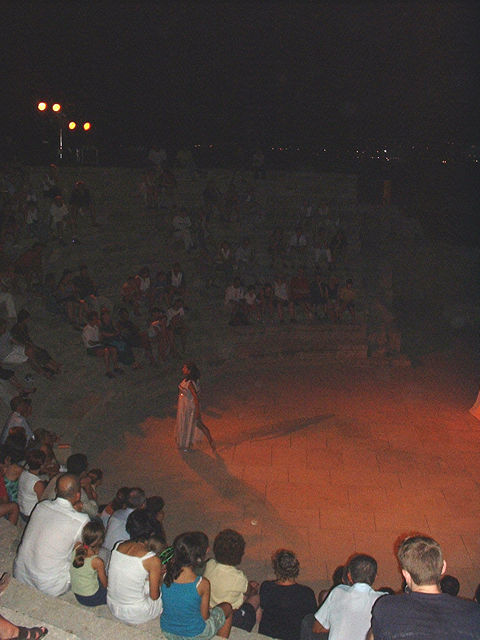
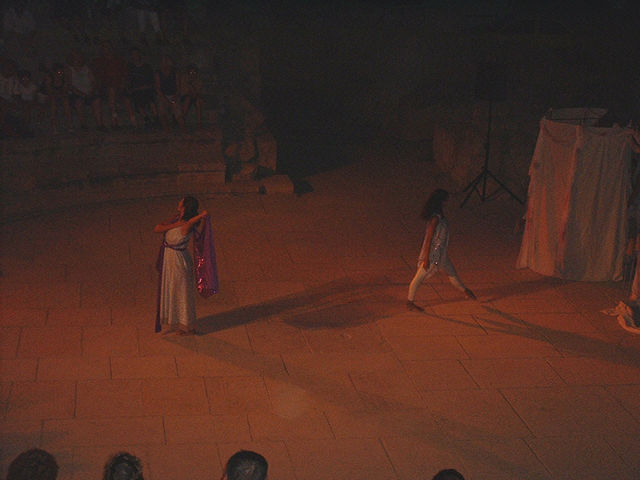
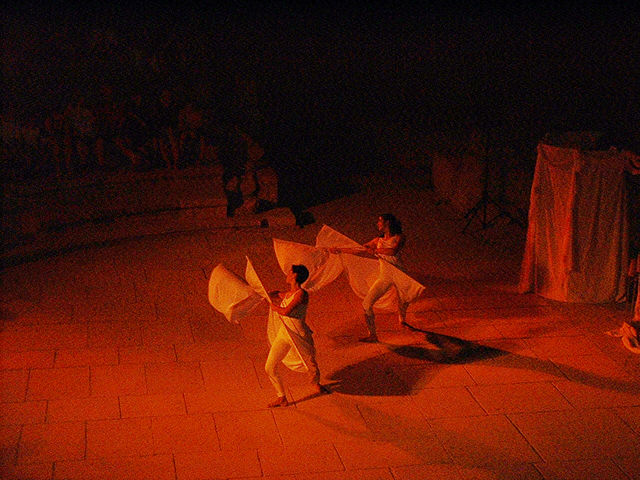
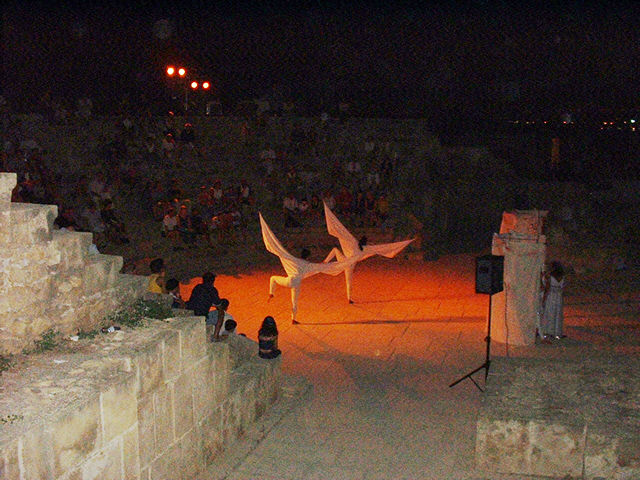
As we wander through the narrow streets of Paphos, we’re transported back in time to the era of the ancient Greeks, who built the city’s iconic Odeon, a stunning semi-circular theater that hosted concerts, plays, and performances. The Odeon’s intricate mosaics, perfectly preserved, give us a glimpse into the lives of the city’s ancient inhabitants, who were known for their love of the arts and their passion for storytelling. Nearby, the House of Dionysus, a beautifully restored Roman villa, showcases the opulence and grandeur of the Roman Empire, with its stunning mosaics, frescoes, and ornate stone carvings.
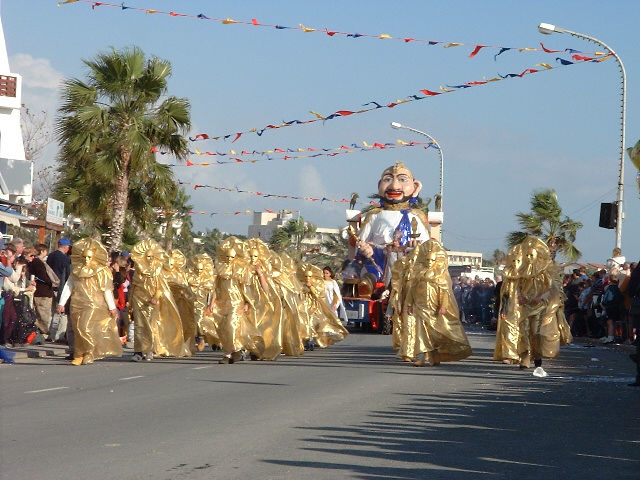
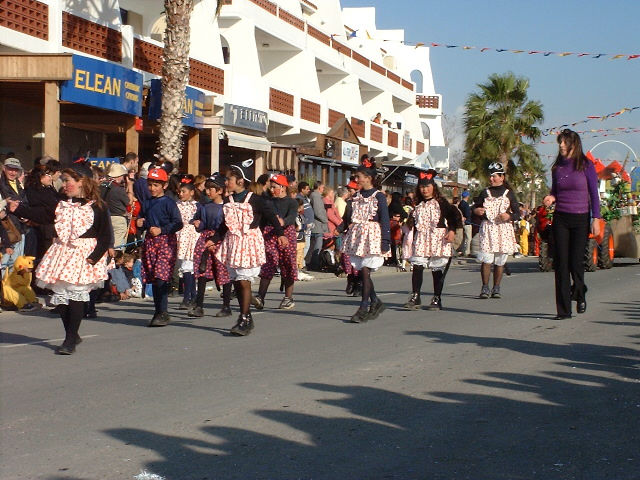
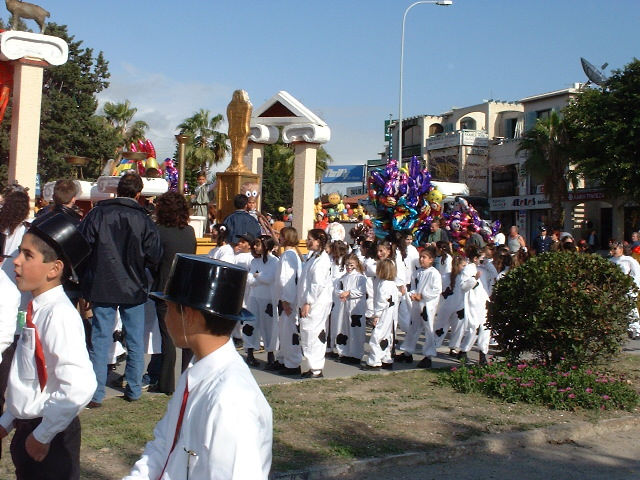
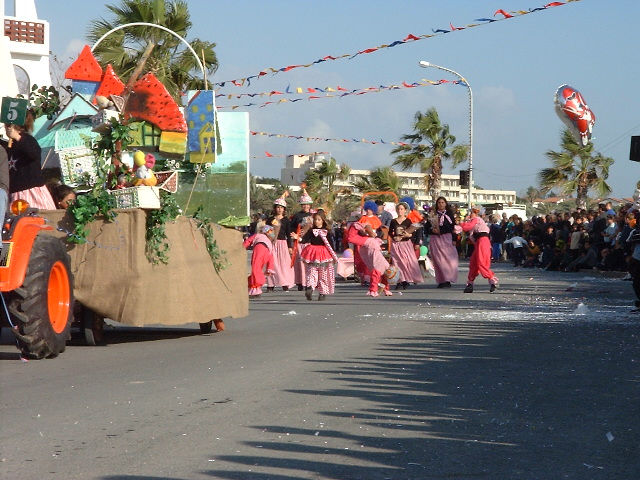
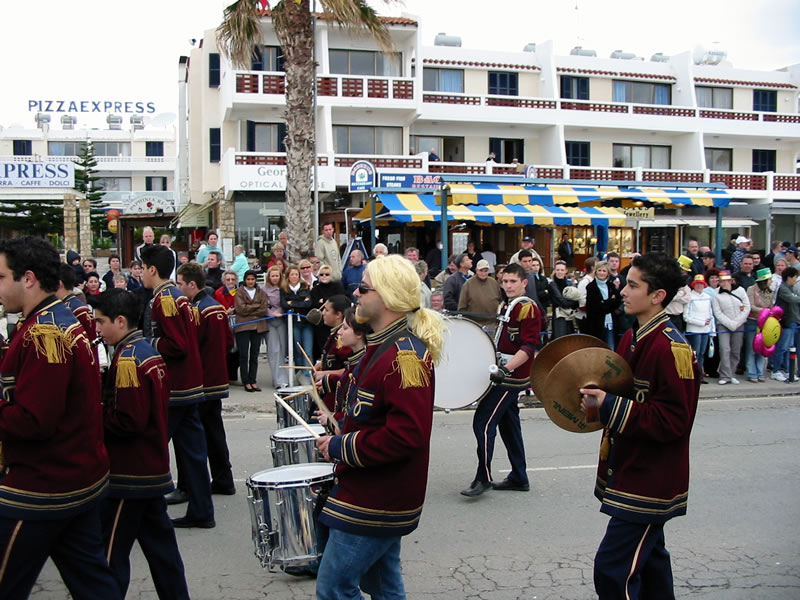
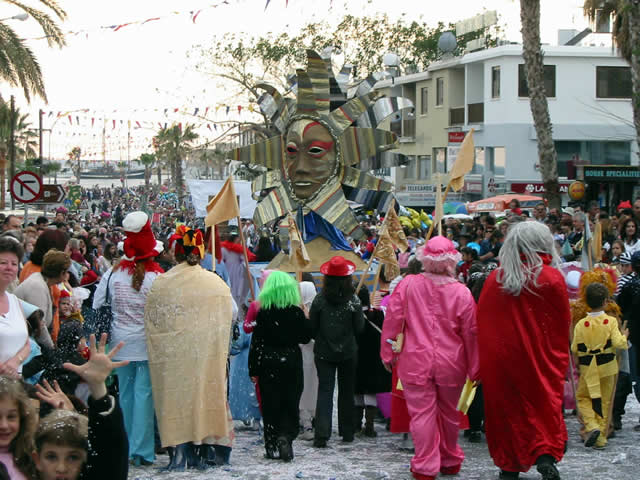
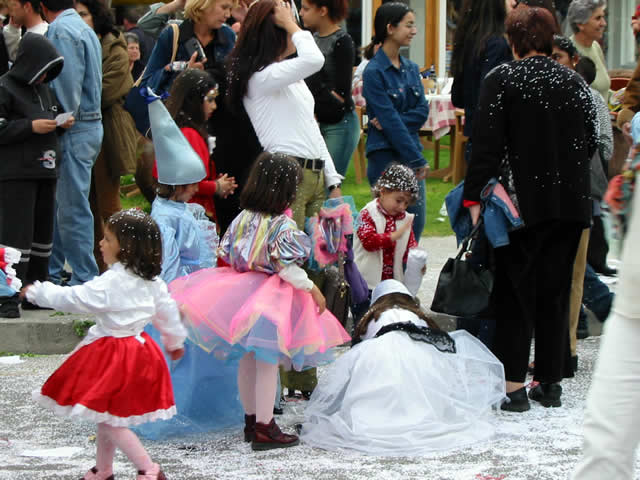
As we explore the city, we’re surrounded by the vibrant colors and lively energy of the Carnival celebrations, which take place in February and March. The streets are filled with costumed performers, marching bands, and elaborate floats, as the city comes together to celebrate the spirit of joy and abandon. The air is filled with the sweet scent of traditional Cypriot pastries, the sound of laughter and music, and the sight of colorful costumes and decorations that adorn the streets and buildings. Visitors can join in the festivities, try traditional Cypriot cuisine, and experience the warmth and hospitality of the local people.
The best time to visit Paphos is during the spring and autumn months, when the weather is mild and sunny, and the crowds are smaller. The summer months can be hot and humid, but the island’s beautiful beaches and crystal-clear waters make it an ideal destination for sun-seekers and water sports enthusiasts. In the winter months, the city takes on a peaceful and serene atmosphere, with fewer tourists and a more relaxed pace of life. Visitors can explore the city’s archaeological sites, visit the nearby Tombs of the Kings, and enjoy the local cuisine and hospitality.
Paphos is surrounded by a wealth of natural beauty and historical sites, making it an ideal base for exploring the island. The nearby Aphrodite’s Rock, a stunning limestone outcrop, is said to be the birthplace of the goddess of love, and offers breathtaking views of the Mediterranean Sea. The Tombs of the Kings, a UNESCO World Heritage Site, is a fascinating archaeological site that dates back to the 4th century BC. Visitors can also explore the nearby villages, such as Kouklia and Kissonerga, which offer a glimpse into traditional Cypriot life and culture.
As we experience the warmth and hospitality of the Cypriot people, we’re treated to a culinary journey that showcases the island’s rich flavors and traditions. We sample traditional dishes such as halloumi cheese, souvlaki, and moussaka, washed down with a glass of local wine or ouzo. We visit local markets and shops, where we can buy traditional handicrafts, souvenirs, and Cypriot delicacies. We’re also treated to the sounds of traditional Cypriot music, which fills the air with the sweet scent of bouzouki and lyra. As we leave Paphos, we’re left with memories of a city that has captured our hearts, a city that has revealed its secrets to us, and a city that we will always treasure.